A regenerative tourism network
Carbon Neutral Experience (CNE) 3.0 is a regenerative tourism development project and regional network in the Porvoo area, implemented as part of the wider CNE 3.0 project. The project addresses the environmental challenges of tourism by supporting tourism businesses in developing experiences that go beyond sustainability and actively benefit local nature and communities. A key challenge is how tourism can reduce its carbon footprint while creating positive impacts for biodiversity and destination wellbeing. The project responds by offering expert support, peer learning and service design tools to help companies develop regenerative, internationally attractive tourism products. These experiences will engage visitors in meaningful actions, such as for example supporting nature conservation and carbon sinks, while strengthening business competitiveness and long-term regional resilience.
Connected to the city strategy
In Porvoo, tourism is developed as part of the city’s climate and environmental programme in a way that ensures tourism growth supports carbon emission goals and biodiversity. The city encourages tourism businesses to reduce emissions, develop resource‑efficient and low‑carbon services, and communicate their responsibility transparently. The City of Porvoo has a Climate Partners Network,which is a voluntary, low‑threshold network for companies and organizations committed to climate and environmental actions. The network encourages concrete action, peer exchange and joint development, helping organizations strengthen sustainable business practices while contributing to Porvoo’s climate goals.
Key stakeholders
The 12 municipalities participating in the CNE 3.0 project are Helsinki, Espoo, Porvoo, Vantaa, Sipoo, Raasepori, Hanko, Hyvinkää, Siuntio, Inkoo, Askola and Myrskylä.
The businesses in the Porvoo CNE 3.0 regenerative network are Hamarikupla, Pellinge Boattaxi, A Lone in the woods, Puihin, Jyrki Boy, Riverside Wizard and Nordic craft.
Additionally, development company Posintra and Haaga-Helia University of Applied Sciences are crucial stakeholder in the CNE 3.0 project.
Partnering companies in Porvoo
What it’s all about
Tourism is an important source of vitality and employment in the Uusimaa region, but it also contributes to climate emissions, pressure on natural environments and challenges related to biodiversity loss. At the same time, destinations and tourism businesses face increasing expectations from visitors, markets and public authorities to demonstrate concrete climate action and responsibility. The Carbon Neutral Experience (CNE) 3.0 project was initiated in this context to respond to the need for practical, scalable solutions that enable tourism growth while supporting carbon neutrality, nature conservation and long term destination wellbeing.
Instead of building a traditional network, we aimed for something more organic — something that spreads naturally, like a mycelium. -Annika Weckman, Posintra
CNE 3.0 is a regional development project and network that supports tourism businesses and municipalities in transitioning from conventional sustainability approaches towards regenerative tourism. The main objectives are to reduce tourism related emissions, strengthen biodiversity and carbon sinks, and help businesses develop regenerative, internationally attractive tourism products. The project also aims to improve responsible communication and cooperation between companies, municipalities and development organizations.
As an ongoing project, CNE 3.0 has established a regenerative tourism network in the Porvoo area, engaging tourism businesses in product development, learning and collaboration. Participating companies are developing new experiences that actively contribute to nature and local communities, while enhancing their competitiveness and visibility in international markets. The project supports the integration of regenerative tourism principles into regional tourism development and municipal climate work.
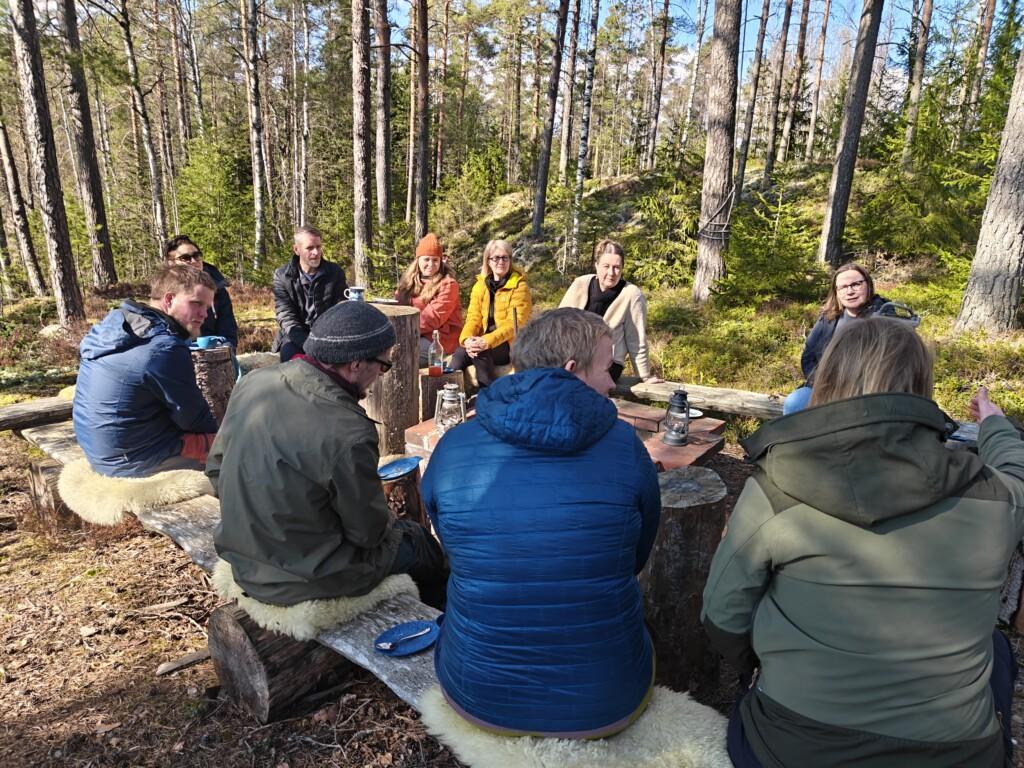
The project reaches its objectives through expert support, workshops, peer learning and service design processes. Businesses receive guidance in regenerative thinking, responsible product development and sustainability communication. Pilots and concrete tourism products are developed in cooperation with companies, municipalities and higher education institutions, ensuring practical application and long term impact.
Key enabling factors include strong cooperation between municipalities, tourism businesses, development organizations and universities of applied sciences, as well as alignment with regional and city level climate and environmental programs. EU and national funding, combined with municipal commitment, has enabled systematic development and experimentation.
Challenges include varying levels of resources and sustainability maturity among tourism businesses, the complexity of regenerative concepts, and the need to balance business viability with ambitious environmental goals. Supporting companies in translating regenerative principles into concrete, market ready products requires time, trust and continuous guidance.
Strong points
- CNE 3.0 brings together tourism businesses, municipalities, development organizations and universities of applied sciences enabling systematic development and long‑term impact.
- Through expert support, workshops, peer learning, service design and concrete pilots, the project helps companies translate regenerative principles into market‑ready, internationally attractive tourism products that enhance competitiveness for the whole region.
- The project goes beyond reducing negative impacts by actively strengthening biodiversity, carbon sinks and destination wellbeing, positioning Porvoo as a frontrunner in regenerative tourism development.
Results and impacts
- New regenerative and internationally attractive tourism products in the Porvoo region
- Stronger regional cooperation and long‑term integration into climate work in addition to knowledge sharing across sector
- Reduced tourism‑related emissions and environmental pressure supporting the climate and environmental program of the city of Porvoo
Challenges
- Different levels of sustainability maturity among tourism businesses
- Complexity of regenerative tourism concepts
- Limited resources of small and medium‑sized tourism enterprises
- Balancing environmental ambition with business viability
- Measuring and communicating impacts effectively